
Describe one positive change you have made in your life.
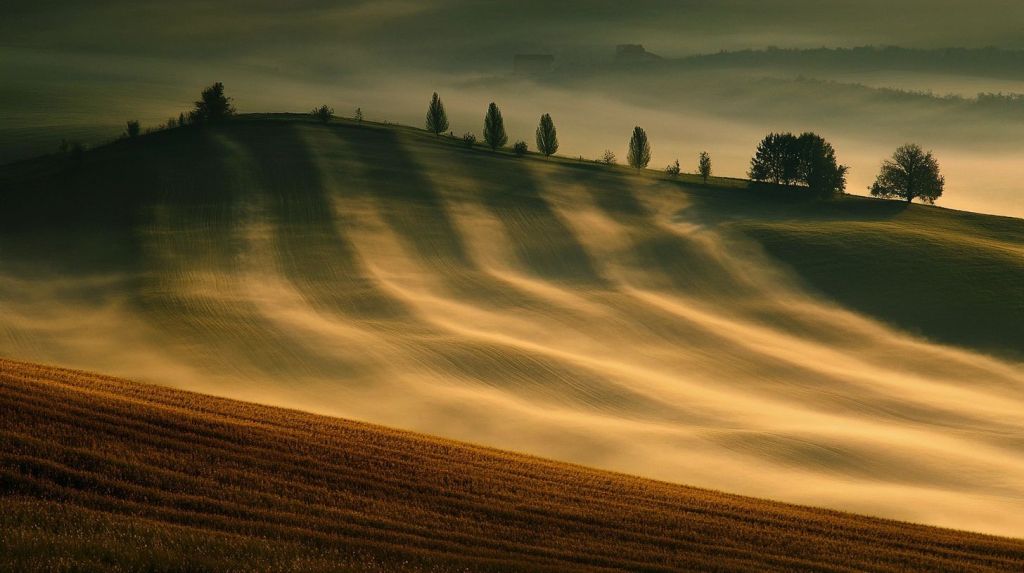
The early morning mist clung to the field like a shroud, transforming the familiar landscape into something ethereal and strange. I knelt in the damp soil, fingers working methodically through the rows of tender green shoots that had emerged from seeds I’d planted three weeks prior. My knuckles, once split and scarred from countless fights, now bore the honest dirt of honest work.
Strange how the world changes when you stand still long enough to let it.
Two summers ago, I would have been prowling these same roads with a different purpose, watching for merchant wagons, calculating risk against reward, the weight of my blade a constant reminder of the man I had become. Kerick the Swift, they called me, though there was nothing swift about the reputation that followed like a shadow. Bandit. Thief. Cutthroat when necessary.
The village of Oakhollow lay just beyond the eastern ridge, close enough that I could see smoke rising from morning cookfires. Close enough that some might recognize the hollow-cheeked man who once demanded their coin or goods at knifepoint. They called me other names then, spoken in whispers and curses.
I lifted a canteen to my lips, the cool water washing away memories that still visited when I closed my eyes. The change hadn’t come in some dramatic moment of revelation, no divine light, no near-death experience that poets might romanticize. Instead, it arrived quietly during a rain-soaked evening when I took shelter in an abandoned shepherd’s hut.
There, huddled against damp stone walls, I found a journal bound in cracked leather, its pages filled with the simple observations of a solitary man. Descriptions of seasonal birds, sketches of unusual plants, notes on weather patterns and stars. The unknown shepherd had found meaning in stillness, in observation, in connection to something larger than himself.
I read those pages until dawn broke, something inside me cracking open like parched earth receiving the first rain after drought.
The seedlings beneath my fingers now represented the most profound change in my life, I had planted roots. Literal and figurative. After years of taking, I had committed to creating, to nurturing, to giving time for something to grow.
“You’ve got the touch for it,” Old Willem had said when he first caught me clearing this abandoned plot behind his property. I’d expected fury, perhaps recognition. Instead, the weathered farmer had studied my work with a critical eye before offering unexpected praise and, later, unexpected trust.
The land wasn’t much, rocky soil on the edge of what anyone would consider arable, but it was mine to tend through an arrangement that still humbled me. Food and modest lodging in exchange for labor and a share of whatever harvest might come.
My first weeks had been agony. Muscles accustomed to quick violence rebelled against the slow, repetitive work of farming. Hands that knew the perfect grip for a dagger blistered when wrapped around a hoe handle. Sleep came in exhausted, dreamless spans that left me more tired than refreshed.
But something changed as winter gave way to spring. The persistent ache in my shoulders transformed from punishment to familiar companion. Calluses formed where blisters had been. And most surprisingly, the constant vigilance that had kept me alive during my years on the road—the need to watch every shadow, to measure every stranger for threat or opportunity, gradually eased.
For the first time since childhood, I began to experience moments of genuine peace.
I stood now, stretching my back as the sun burned through the morning mist. My small garden was nothing remarkable by any measure, a few rows of vegetables, some herbs, flowers planted along the borders because they pleased me rather than for any practical purpose. Yet it represented something I had never possessed before.
A future that extended beyond the next meal, the next score, the next escape.
“Ho there, Kerick!” Old Willem’s voice carried across the field. “Thought you might want some of this morning’s bread while it’s still warm.”
He approached with his customary uneven gait, a cloth-wrapped bundle in his weathered hands. His eyes, remarkably sharp despite his years, took in my morning’s work with approval.
“Tomatoes coming along nicely,” he observed. “Another week and they’ll need staking.”
I accepted the bread with a nod of thanks, still uncomfortable with kindness freely given. “I’ve been collecting good branches for it. Should have enough by then.”
Willem settled his frame on a nearby stump, a resting spot he’d claimed during his frequent visits to what he still referred to as “the back field,” though we both knew it had become more than that.
“You know,” he said between bites of his own bread, “Elmridge Market’s looking for regular suppliers. Their usual garden man’s moved north to his daughter’s place.” He said this casually, as though not suggesting something monumental.
“They wouldn’t want goods from,” I stopped myself, the old identity still too close to the surface.
“From a man working honest soil?” Willem finished, his gaze steady. “That’s all they’d see, son. That’s all anyone sees when a man chooses differently than his past.”
I looked down at my hands, dirt embedded beneath fingernails, a small cut on my thumb from where I’d been careless with the pruning knife. Hands that could still kill if necessary, but that now knew how to nurture life from seeming nothingness.
The simple change, from taking to growing, I had altered everything else. My breathing. My sleep. The way I held my shoulders. The thoughts that occupied my mind as stars wheeled overhead each night.
“I’ll think on it,” I promised, meaning it.
Around us, birds called to one another across the brightening sky. A gentle breeze rustled through my carefully tended rows. And somewhere in the distance, the sounds of Oakhollow going about its morning business drifted on the wind, no longer a target to assess but a community I stood on the edge of, watching, waiting, perhaps someday belonging.
I had planted seeds. Some had grown. Others might yet.

 Chadwick Rye
Leave a comment